O que é Laser de Tubo? Um guia completo comparando Laser de Tubo e Serras a Frio
À medida que a tecnologia industrial continua a avançar, a manufatura moderna exige extrema precisão, velocidade e a capacidade de lidar com o corte de tubos de perfis complexos. Métodos tradicionais, como serragem, estampagem ou furação de tubos, muitas vezes enfrentam dificuldades com processos de rebarbação complicados, substituições frequentes de ferramentas e rendimentos inconsistentes. Felizmente, a tecnologia de laser de tubo muda tudo ao oferecer precisão cirúrgica e rápida em quase qualquer perfil metálico. Este guia detalha exatamente como funciona o corte a laser de tubos e como ele pode afiar sua vantagem competitiva na produção.
O que é Corte a Laser de Tubos? Laser de Tubo vs. Serras a Frio Tradicionais
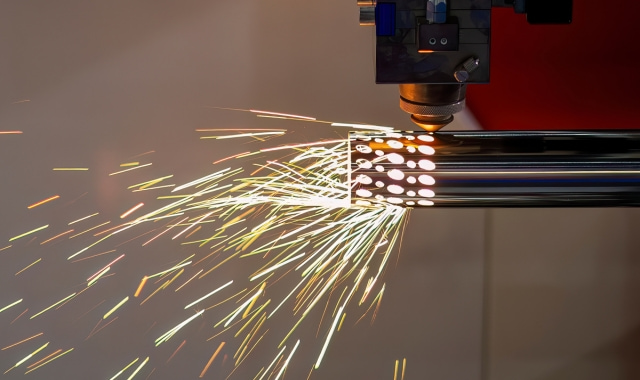
O corte a laser de tubos utiliza um Feixe de Laser de Alta Energia para realizar o "corte sem contato" em tubos e perfis metálicos. Como a ferramenta nunca toca fisicamente o material, o processo é virtualmente livre de distorções induzidas pelo calor ou empenamentos mecânicos, resultando em bordas excepcionalmente finas e lisas. Ao contrário das Serras a Frio tradicionais (alguns as chamam de Máquina de Serra Circular ou Máquina de Corte de Tubos), que muitas vezes deixam rebarbas que exigem acabamento secundário; portanto, os lasers de tubo agilizam a produção e aumentam significativamente a eficiência geral. Você pode se perguntar sobre a compatibilidade de materiais: os lasers de tubo são incrivelmente versáteis, destacando-se em Aço Inoxidável, Aço Carbono, Alumínio e Cobre, bem como ligas especializadas como Titânio e Níquel.
〈Leitura Adicional: A Tecnologia de Corte a Laser de Tubos Pode Substituir a Máquina de Serra Circular de Metal Tradicional?〉
Como os Lasers de Tubo Alcançam Precisão Submilimétrica? Tecnologia Principal Revelada
O segredo por trás da precisão submilimétrica do corte a laser de tubos reside no seu feixe de laser de alta densidade de energia. Através de uma série de componentes ópticos avançados que guiam e focam a luz, o feixe é concentrado em um ponto ultrafino, normalmente com menos de 1 mm de diâmetro. Essa intensa concentração de energia permite que o laser corte tubos metálicos com precisão excepcional, alcançando cortes intrincados e detalhes finos que são simplesmente impossíveis para os métodos de usinagem convencionais.
〈Leitura Adicional: Tecnologias de Corte de Tubos e Barras de Metal: Evolução? Tipos? e Perspectivas Futuras?〉
Alta Precisão e Eficiência Energética: Corte sem Esforço para Aço de Alta Resistência
A principal vantagem da tecnologia de laser de tubo reside na sua combinação de precisão e eficiência de alto volume. Ela alcança uma repetibilidade de até ±0,03 mm e velocidades de corte que excedem 100 m/min, com desperdício de material minimizado para menos de 0,02 mm. Além disso, lida com aço de alta dureza sem esforço, consumindo apenas 40% da energia exigida pelas serras a frio tradicionais. Em contraste, as serras a frio convencionais utilizam lâminas que excedem 1,6 mm de espessura, levando a um desperdício de material significativo. Elas também têm dificuldades com tubos de aço de alta resistência de 1800 MPa, resultando em desgaste rápido da lâmina, menor eficiência de produção e processamento secundário oneroso.
〈Produto Recomendado: Laser de Tubo SOCO〉
Otimizando o Gerenciamento da Zona Afetada pelo Calor (ZAC)
Embora o corte a laser de tubos minimize significativamente a Zona Afetada pelo Calor (ZAC), a intensa energia térmica ainda pode impactar o material adjacente ao corte. Para ligas específicas, esse aquecimento localizado pode levar ao endurecimento ou leve deformação, comprometendo potencialmente a qualidade do corte e o desempenho do material. Para mitigar esses efeitos, os operadores devem calibrar com precisão parâmetros críticos, como potência do laser, velocidade de corte, posição focal e pressão do gás auxiliar (incluindo a proporção de nitrogênio para oxigênio). Tal controle meticuloso é essencial para gerenciar a ZAC e manter um rendimento de produção consistentemente alto.
Desbloqueando a Versatilidade de Design com Capacidades de Corte a Laser 3D
Equipados com um sistema de articulação de 5 eixos ou uma cabeça de corte basculante especializada, os lasers de tubo modernos não estão mais restritos a cortes verticais. Esta tecnologia permite o chanframento preciso em vários ângulos, como 45° ou 90°, permitindo a criação de geometrias estruturais complexas que são impossíveis para os métodos convencionais. Os chanfros de corte 3D resultantes e as juntas de intertravamento facilitam o alinhamento perfeito para processos de soldagem subsequentes, tornando essa capacidade ideal para fabricar estruturas intrincadas e componentes de alta precisão.
〈Produto Recomendado: Máquina de Corte a Laser de Tubos 3D〉
)
Compatibilidade de Materiais para Corte a Laser de Tubos: Insights sobre Espessura e Aplicação
A capacidade de corte de um laser de tubo depende em grande parte da sua potência de saída e das propriedades específicas do material. Geralmente, uma potência mais alta permite o processamento de paredes mais grossas; no entanto, quando o material excede 6 mm, a eficiência e o consumo de energia podem tornar-se menos econômicos. Em níveis de potência equivalentes, o Aço Carbono, Inoxidável, Cobre e Alumínio exibem características de corte distintas e são adequados para diferentes aplicações industriais:
Aço Carbono (Aço Doce)
O aço carbono exibe uma alta taxa de absorção para a energia do laser, permitindo velocidades de corte a laser de tubo excepcionalmente rápidas e estáveis. Por exemplo, um laser de fibra de 1000W pode processar aço carbono de até 6 mm de espessura. Devido ao seu desempenho de corte superior em comparação com o Aço Inoxidável ou Alumínio, o Aço Carbono é o material ideal para a fabricação de equipamentos mecânicos e estruturas estruturais.
Aço Inoxidável
O aço inoxidável é altamente compatível com a tecnologia de laser de tubo; suas propriedades de resistência à corrosão combinadas com a precisão do laser resultam em bordas lisas e de alta qualidade. Com um laser de fibra de 1000W, a espessura máxima de corte de tubo para aço inoxidável é de aproximadamente 4 mm, superando o alumínio, mas sendo ligeiramente inferior ao aço carbono. Este material é amplamente utilizado na fabricação de componentes de precisão e aplicações que exigem dobra de tubo subsequente.
Liga de Alumínio
Apesar da alta refletividade do alumínio, a tecnologia de laser de tubo oferece vantagens significativas sobre os métodos tradicionais. Um laser de fibra de 1000W normalmente gerencia uma espessura máxima de tubo de 3 mm para perfis de alumínio. Ao utilizar Nitrogênio (N2) ou Ar Comprimido como gás auxiliar, os operadores podem obter um acabamento limpo e de alta precisão. Mesmo com as limitações de espessura, a qualidade da borda permanece vastamente superior à usinagem convencional.
Propriedades-Chave de 3 Materiais para Laser de Tubo
| Materiais para Laser de Tubo | Aço Carbono (Aço Doce) |
Aço Inoxidável | Liga de Alumínio |
|---|---|---|---|
| Espessura Máx. (1000W) | 6mm | 4mm | 3mm |
| Perfil Metálico | Extrema Absorção de Calor | Superfície Brilhante, Sem Falhas | Alta Refletividade |
| Melhor Escolha de Gás | Corte com Ar Comprimido (< 2mm) ou O2 (≥ 2mm) |
N2 | N2 ou Corte com Ar Comprimido |
Detalhes Críticos Muitas Vezes Negligenciados nas Operações de Laser de Tubo
Além das propriedades dos materiais discutidas, deve-se considerar que a circularidade, a condição da superfície e a pureza dos tubos metálicos impactam significativamente o desempenho do corte. Além disso, a estabilidade do leito da máquina e a otimização dos parâmetros de corte desempenham papéis cruciais na determinação dos limites reais de espessura e qualidade. Consequentemente, os operadores devem navegar por vários desafios técnicos para obter resultados ideais na prática.
Dominando a Otimização dos Parâmetros de Corte
Obter resultados superiores no corte a laser de tubos exige calibração precisa da potência do laser, velocidade de corte e posição focal, juntamente com a seleção estratégica do tipo e pressão do gás auxiliar. A degradação do desempenho, como uma queda na potência de saída ou má qualidade da borda, muitas vezes é rastreada até o desgaste do bocal, contaminação da fibra óptica ou inconsistências no sistema de resfriamento. Para mitigar esses riscos, é essencial implementar o monitoramento proativo das flutuações de potência e aderir a um rigoroso cronograma de manutenção preventiva para a substituição oportuna de componentes.
Desafios na Qualidade do Corte
A qualidade de corte subótima, manifestada como acabamentos superficiais rugosos, formação de escória ou rebarbas persistentes, é normalmente causada por um desalinhamento entre a potência do laser e a velocidade de corte, ou pressão e pureza de gás inadequadas. Para retificar esses problemas, os operadores devem garantir a sincronização precisa entre a saída de potência e as taxas de avanço. Além disso, verificar a integridade do gás auxiliar e manter a limpeza das lentes ópticas são passos críticos para alcançar bordas consistentes e de alta qualidade e um desempenho de produção estável.
Garantindo a Segurança da Produção e a Longevidade do Equipamento
Operar um sistema de laser de tubo envolve riscos inerentes que exigem adesão estrita aos protocolos de segurança. Os operadores devem estar equipados com óculos de segurança a laser certificados e proteção de blindagem, e devem manter total familiaridade com os procedimentos de Parada de Emergência (E-stop). Além da manutenção rotineira de lentes ópticas, sistemas focais e unidades de resfriamento, recomendamos priorizar equipamentos com designs de segurança superiores e arquiteturas de manutenção acessíveis durante o processo de aquisição. Investir em uma máquina projetada para facilidade de manutenção minimiza o tempo de inatividade e garante um ambiente de produção estável e de alta performance com tranquilidade a longo prazo.
Conclusão
A tecnologia de laser de tubo impulsiona a indústria moderna ao esmagar demandas complexas de fabricação. Ela maximiza o uso do seu material e aumenta a velocidade de produção, dando ao seu negócio uma vantagem competitiva massiva. Mais de 40 anos de experiência de elite em metalurgia. A SOCO domina o mercado como a principal player na Ásia e figura entre as 2 maiores gigantes do mundo em maquinário para corte e dobra de tubos. A P&D de ponta da SOCO lidera o grupo, entregando soluções de laser de tubo versáteis e customizadas, sob medida para suas necessidades. Pelo site da SOCO, na seção Entre em contato agora para qualquer necessidade de compra ou consulta técnica. Nossa equipe está pronta para fornecer um serviço personalizado para você.
〈Leitura Adicional: O que é uma Máquina de Dobrar Tubos? Como Escolher a Certa para Suas Necessidades!〉
〈Leitura Adicional: 5 Vantagens Principais das Dobradoras de Tubo CNC, Seu Guia Completo para Seleção de Equipamento Inteligente!〉