

Was ist eine Rohrbiegemaschine? So wählen Sie die richtige für Ihre Anforderungen!
Metallrohre spielen in der Industrie eine unverzichtbare Rolle und finden breite Anwendung in der Automobilherstellung, der Luft- und Raumfahrttechnik, im Bauwesen und sogar in der Möbelproduktion. Die präzise Umwandlung dieser geraden Rohre in komplexe und vielfältige geometrische Formen bei gleichzeitiger Gewährleistung der strukturellen Integrität und ästhetischen Qualität hängt von der Rohrbiegemaschine ab. Die Funktionen der verschiedenen Modelle von Rohrbiegemaschinen variieren jedoch erheblich. In diesem Artikel werden die drei wichtigsten Schlüsselfaktoren analysiert, die Sie bei der Auswahl einer Rohrbiegemaschine berücksichtigen sollten, um Ihnen bei der Auswahl der Ausrüstung zu helfen, die Ihren Geschäftsanforderungen am besten entspricht.
Was ist eine Rohrbiegemaschine?
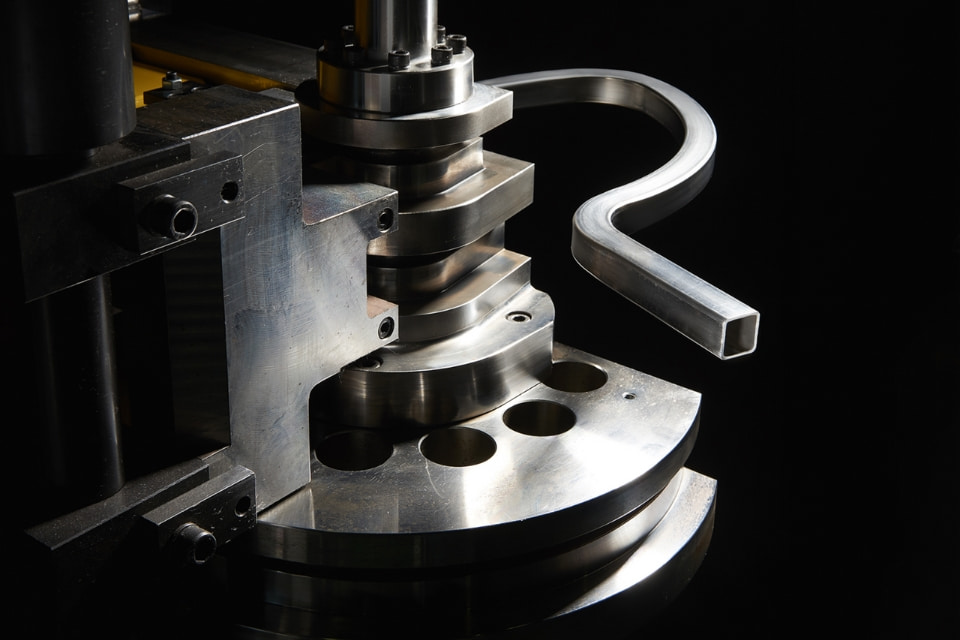
Eine Rohrbiegemaschine ist ein spezialisiertes Gerät, das für das Biegen von Metallrohren entwickelt wurde. Sie funktioniert durch Anwendung von Druck oder eines Biegemoments, um das Rohr entlang eines voreingestellten Radius und Winkels präzise zu formen, während gleichzeitig Defekte wie Faltenbildung, Risse oder signifikante Querschnittsverformungen vermieden werden. Während des Betriebs verlässt sich die Rohrbiegemaschine auf das koordinierte Zusammenwirken von Klemmvorrichtungen, Biegewerkzeugen und Verstärkungs- oder Druckvorrichtungen, um das Rohr in komplexe Einzel- oder Mehrwinkelkurven zu formen. Industrien hängen stark von dieser Rohrbiegetechnologie ab, etwa für Teile wie Auspuffrohre und Fahrwerkskomponenten im Automobilsektor, Tisch- und Stuhlrahmen in der Möbelindustrie sowie Ölleitungen in der Luft- und Raumfahrtindustrie.
Welche Arten von Rohrbiegemaschinen gibt es? Ein kurzer Leitfaden zu den 5 Haupttypen
Mit fortschreitender Technologie wächst die Vielfalt an Rohrbiegemaschinen weiter an, sodass Hersteller unterschiedliche Produktionsanforderungen erfüllen und dabei Präzision und Budgetbeschränkungen abwägen können. Diese Entwicklung bietet der Industrie flexiblere Auswahlmöglichkeiten. Im Folgenden stellen wir 5 gängige Typen von Rohrbiegemaschinen vor, um Ihnen bei der Auswahl des für Ihre Beschaffungsanforderungen am besten geeigneten Modells zu helfen.
〈Weiterführende Literatur:Welche Arten von Rohrbiegemaschinen gibt es? Anwendungen vs. Materialien? Top-Hersteller von Rohrbiegemaschinen weltweit? 〉
Manuelle Rohrbiegemaschinen
Manuelle Rohrbiegemaschinen verlassen sich vollständig auf die physische Kraft des Bedieners. Sie bestehen in der Regel aus einem Hebel, einem Werkzeug und Klemmen, die bei Betätigung durch Hebelwirkung das Biegen des Rohrs entlang des voreingestellten Radius des Werkzeugs ermöglichen. Diese Geräte zeichnen sich durch ihren einfachen Aufbau und ihre geringen Kosten aus, was sie ideal für die Produktion in kleinem Maßstab, gelegentliche Projekte oder Sanitärinstallationen vor Ort und einfache Metallarbeiten macht. Da sie jedoch stark von der manuellen Steuerung abhängen – insbesondere von der Konsistenz der aufgewendeten Kraft und der Winkelkontrolle –, sind sie nicht für Rohre mit großem Durchmesser oder dicken Wänden geeignet. Bei der Verwendung müssen Bediener genau darauf achten, die Biegequalität sicherzustellen und Materialschäden zu vermeiden.
Hydraulische Rohrbiegemaschinen
Hydraulische Rohrbiegemaschinen arbeiten mit einem Hydrauliksystem, um eine starke Schubkraft zu erzeugen, die dann zum Biegen des Metallrohrs eingesetzt wird. Dieser Typ von Rohrbiegemaschine eignet sich besonders gut für mittlere bis kleine Biegeanforderungen in verschiedenen Anwendungen, einschließlich Küchen- und Badarmaturen, Heizungssystemen, Klimaanlagenleitungen, Kältetechnik und Schwerindustrie. Obwohl sie für ihren Verwendungszweck effektiv sind, ist zu beachten, dass hydraulische Biegemaschinen im Allgemeinen eine geringere Präzision und Wiederholgenauigkeit bieten als fortschrittlichere Modelle wie vollelektrische Rohrbiegemaschinen oder CNC-Rohrbiegemaschinen. Dieser Kompromiss zwischen Leistung und Präzision ist ein Schlüsselfaktor, den es beim Kaufprozess zu berücksichtigen gilt.
〈Empfohlenes Modell:1-Achsen-Hydraulik-Rohrbiegemaschine、Doppelkopf-Rohrbiegemaschine TB-38〉
〈Weiterführende Literatur:Metallrohr- und Stangenschneidtechnologien: Evolution? Typen? und Zukunftsaussichten? 〉
Vollelektrische Rohrbiegemaschinen
Vollelektrische Rohrbiegemaschinen stellen den jüngsten Höhepunkt der Biegetechnologie dar; sie ersetzen herkömmliche Hydrauliksysteme vollständig durch Servomotoren. Durch die präzise Steuerung jeder Aktion, einschließlich Klemmen, Biegen und Verstärken, verbessern sie sowohl die Bearbeitungsgenauigkeit als auch die Stabilität erheblich.
Im Vergleich zu hydraulischen Rohrbiegemaschinen bieten vollelektrische Biegemaschinen deutliche Vorteile: Ultrahohe Präzision, geringe Geräuschentwicklung, überlegene Energieeffizienz und Umweltfreundlichkeit, was sie besonders für Präzisionsfertigungsumgebungen geeignet macht. Darüber hinaus zeichnen sich diese Biegemaschinen durch Wiederholgenauigkeit und Effizienz aus, was zu einer konsistent verbesserten Produktionsqualität führt.
Sie werden häufig in Anwendungen eingesetzt, die höchste Präzision und sauberste Bearbeitung erfordern, wie zum Beispiel für Rohrleitungen in der Halbleiter- und Luft- und Raumfahrtindustrie sowie für Spezialkomponenten im medizinischen Bereich.
Die Anfangsinvestition für eine vollelektrische Rohrbiegemaschine ist jedoch deutlich höher als bei hydraulischen oder manuellen Modellen. Eine gründliche Bewertung basierend auf der langfristigen Produktionskapazität und dem Gesamtnutzen Ihres Unternehmens ist vor dieser strategischen Anschaffung unerlässlich.
〈Weiterführende Literatur:Vorteile von vollelektrischen Rohrbiegemaschinen gegenüber Hydrauliksystemen: Warum vollelektrisch wählen? 〉
CNC-Rohrbiegemaschinen
Eine Rohrbiegemaschine wird im Allgemeinen als CNC-Rohrbiegemaschine klassifiziert, wenn sie mit servomotorisch gesteuerten Achsen ausgestattet ist. Folglich ist "CNC-Rohrbiegemaschinen" ein Oberbegriff, der sowohl vollelektrische Rohrbiegemaschinen als auch Hybrid-Biegemaschinen umfasst, die eine Kombination aus Servomotoren und hydraulischen Steuerungen verwenden.
Typischerweise integrieren die meisten CNC-Rohrbiegemaschinen präzise Servomotoren mit einem hydraulischen Steuerungssystem. Diese Konfiguration ermöglicht eine genaue Kontrolle über kritische Parameter wie Biegewinkel, Radien und Rohrvorschub und gewährleistet so eine außergewöhnliche Konsistenz und hohe Präzision im Endprodukt.
Diese fortschrittlichen Rohrbiegemaschinen sind in anspruchsvollen Sektoren wie der Automobilherstellung, der Möbelmassenproduktion, der Industrieautomatisierung und bei Großprojekten weit verbreitet, wo sie sowohl die Produktionseffizienz als auch die Qualität erheblich steigern. Abgesehen von den relativ hohen Anfangsinvestitionskosten erfordert der Betrieb einer CNC-Rohrbiegemaschine jedoch Personal mit den erforderlichen Kenntnissen in der Parametereinstellung, um die Fähigkeiten der Maschine voll auszuschöpfen.
〈Empfohlenes Modell: CNC-Rohrbiegemaschinen〉
〈Weiterführende Literatur:Die Automobilrevolution: Welche Rolle spielen Rohrbiegemaschinen? 〉
Spezial-Rohrbiegemaschinen
Zusätzlich zu den vier zuvor genannten Arten von Rohrbiegemaschinen bietet der Markt auch maßgeschneiderte Geräte an, die für spezifische Anwendungen konzipiert sind. Beispiele hierfür sind dedizierte Rohrbiegemaschinen für die Herstellung von Kofferraumscharnieren für Kraftfahrzeuge, Kopfstützenrahmen oder Stabilisatoren, die in der Lage sind, eine einzelne Komponente schnell zu produzieren. Andere sind komplexe, multifunktionale Rohrbiegemaschinen, die Prozesse wie Rohrbiegen, Rohrschneiden und Rohrendenbearbeitung in einer Maschine integrieren. Diese Integration verkürzt den Herstellungsprozess, erhöht die Effizienz der Produktionslinie und geht besser auf die speziellen Anforderungen verschiedener Branchen ein. Typischerweise fallen auch diese Spezial- und dedizierten Rohrbiegemaschinen unter den Oberbegriff der CNC-Rohrbiegemaschinen.
〈Empfohlenes Modell:Spezial-Rohrbiegemaschinen〉
〈Weiterführende Literatur:Kann die Rohrlaserschneidtechnologie herkömmliche Metallkreissägemaschinen ersetzen?〉
Wie wählt man die richtige Rohrbiegemaschine aus? Das Verständnis Ihrer Bedürfnisse ist der Schlüssel!
Bei der Auswahl einer Rohrbiegemaschine sollten Sie Ihre Entscheidung auf Ihre spezifischen Bearbeitungsanforderungen stützen. Dazu gehören Faktoren wie Materialeigenschaften, Rohrdurchmesser und Wandstärke sowie Produktionsvolumen und Präzisionsanforderungen. Die sorgfältige Berücksichtigung dieser Elemente ist entscheidend, um sowohl die Leistung der Ausrüstung als auch Ihre Investitionsrendite zu maximieren.
Rohrbiegematerialien und Eigenschaften
Verschiedene Metallmaterialien variieren in ihrer Duktilität, Härte und Zugfestigkeit. Daher ist es wichtig, bei der Auswahl einer Rohrbiegemaschine zunächst die Eigenschaften des Materials zu berücksichtigen, mit dem Sie arbeiten werden. Für Endprodukte, die eine hohe Präzision erfordern, oder für härtere Materialien wie Baustahl, Edelstahl oder sogar hochfeste Stahlrohre bis 1500 MPa ist beispielsweise in der Regel eine vollelektrische Rohrbiegemaschine erforderlich. Dies stellt sicher, dass der Biegeprozess keine Risse oder Verformungen verursacht. Umgekehrt können weichere Metalle wie Kupfer oder Aluminium mit einer manuellen Rohrbiegemaschine geformt werden. Diese Werkzeuge sind einfach zu bedienen und kostengünstig, was sie für kleine oder vorübergehende Aufgaben geeignet macht.
Rohrdurchmesser und Wandstärke
Der Durchmesser und die Wandstärke eines Rohrs beeinflussen direkt die Wahl der Rohrbiegemaschine und ihre Bearbeitungsmöglichkeiten. Rohre mit großem Durchmesser oder dicken Wänden erfordern eine hydraulische oder vollelektrische Rohrbiegemaschine, um die erforderliche Kraft und Stabilität zu gewährleisten. Dies verhindert, dass sich das Werkstück während des Biegens verformt, reißt oder vom vorgesehenen Pfad abweicht. Im Gegensatz dazu eignen sich Rohre mit kleinem Durchmesser oder dünnen Wänden gut für eine Hybrid-Rohrbiegemaschine. Im Allgemeinen kann eine vollelektrische Rohrbiegemaschine präzise Biegungen durchführen, ohne die Rohrwand zu beschädigen, und bietet eine hohe Effizienz und exzellente Wiederholgenauigkeit, um eine breite Palette detaillierter Produktionsanforderungen zu erfüllen.
Durchsatz maximieren: Biegegeschwindigkeit an Präzisionsanforderungen anpassen
Vor der Auswahl einer Rohrbiegemaschine ist es außerdem wichtig, Ihr erforderliches Produktionsvolumen und die Bearbeitungsgenauigkeit zu berücksichtigen. Dies sind Schlüsselfaktoren bei der Entscheidung, ob ein vollautomatisches oder halbautomatisches Modell die richtige Wahl ist. Wenn Ihr Betrieb hohe Produktionsvolumina umfasst und konsistente Präzision erfordert, ist ein vollelektrisches Modell innerhalb der CNC-Rohrbiege-Kategorie die optimale Wahl. Im Vergleich zu halbautomatischen oder manuellen Rohrbiegemaschinen bietet es eine präzise Kontrolle über jeden Biegewinkel und Radius und kann sogar komplexe Anforderungen wie das Biegen in mehreren Ebenen bewältigen. Diese Fähigkeit verbessert die Produktionseffizienz und Produktkonsistenz erheblich und reduziert gleichzeitig menschliche Fehler, was sie ideal für die Massenproduktion und Hochpräzisionsanwendungen macht.
〈Weiterführende Literatur:Perfekt synchronisierte Rohrbiege- und Umformautomatisierung〉
Wo kann man eine Rohrbiegemaschine kaufen? Wählen Sie Asiens Marktführer SOCO!
Asiens Rohrbiegemaschinen-Anbieter Nr. 1
Mit über 40 Jahren Erfahrung in der Metallverarbeitung hat sich SOCO als anerkannter Branchenführer etabliert. Durch die Nutzung fundierter technischer Expertise und eines robusten Qualitätsmanagements hält das Unternehmen fest die Spitzenposition auf dem asiatischen Markt für Rohrbiegemaschinen, sowohl nach Marktanteil als auch nach Größe, und zählt zu den zwei führenden Herstellern weltweit. Um seine Forschungs- und Entwicklungskapazitäten zu stärken, hat SOCO in seinem operativen Hauptsitz in Taiwan ein Innovations-F&E-Zentrum und ein Zentrum für Präzisionswerkzeuge eingerichtet. Diese Zentren ermöglichen es dem Unternehmen, eine breite Palette von Lösungen anzubieten – einschließlich CNC-Rohrbiegemaschinen, NC-Rohrbiegemaschinen und Spezial- oder dedizierten Rohrbiegemaschinen –, um den vielfältigen Anforderungen verschiedener Unternehmen gerecht zu werden.
SOCOs hunderte Patente und zwei wichtige patentierte Biegetechnologien
Derzeit machen F&E-Mitarbeiter fast 20 % der gesamten Belegschaft von SOCO aus, was das Engagement des Unternehmens widerspiegelt, seine Forschungsfähigkeiten zu stärken und eine kontinuierliche Verbesserung anzustreben. SOCO hält zahlreiche Patente, darunter seine DGT-Technologie (Direct Gear Transmission), die die Effizienz des Rohrbiegeprozesses steigert und bei den meisten seiner Rohrbiegemodelle zum Einsatz kommt. Ein weiteres wichtiges Patent ist die DBS-Technologie (Double Blades Shearing), die Biege- und Schneidprozesse integriert. Dies reduziert den Materialabfall erheblich und senkt die Produktionskosten.
〈Weiterführende Literatur:Was sind die Vorteile der vollelektrischen Rohrbiegemaschinen von SOCO? 〉
Fazit
Um im wettbewerbsintensiven Fertigungsmarkt hervorzustechen, ist die Auswahl der richtigen Produktionswerkzeuge für jedes Unternehmen entscheidend, um Produktivität und Qualität aufrechtzuerhalten. Beim Kauf einer Rohrbiegemaschine sollten Sie über die Berücksichtigung der Grundfunktionen und des Preises hinaus auch deren Bearbeitungsgenauigkeit, Betriebseffizienz und Stabilität sowie den Kundendienst und die technischen Supportkapazitäten des Anbieters gründlich bewerten. Als führende Marke für Rohrbiegemaschinen verfügt SOCO über langjährige F&E-Erfahrung bei Metallverarbeitungsgeräten. Das Unternehmen bietet eine vielfältige Palette an Rohrbiegemodellen an, von manuellen bis hin zu vollautomatischen CNC-Maschinen, und bietet umfassenden After-Sales-Support, um Kunden bei der Lösung aller Arten von Bearbeitungsherausforderungen zu unterstützen. Wenn Sie mehr über unsere Produkte erfahren möchten, können Sie uns gerne kontaktieren. Wir sind hier, um Unternehmen bei der Auswahl der Rohrbiegemaschine zu helfen, die ihren Anforderungen am besten entspricht.
〈Weiterführende Literatur:Die Herausforderungen von High-Mix-Rohrherstellern〉