
Welche Arten von Rohrbiegemaschinen gibt es? Welche Anwendungen hat ein Rohrbieger? Welche Rohrmaterialien werden verwendet?
Better productivity, enhanced precision, and rapid setup — all-electric tube benders deliver enormous production advantages across industries. These machines are especially suitable for high-accuracy, small-batch, and automated production, improving not just scheduling efficiency but also offering energy-saving and smart manufacturing integration for greater profit margins.
What Are the Main Types of Tube Bending Machines?
Modern tube bending technologies can be classified into several types based on drive method and automation:
- CNC Tube Benders
- All-Electric Tube Benders
- Hybrid (Servo + Hydraulic) Tube Benders
- Left & Right Tube Benders
- Hydraulic Tube Benders
- Manual Tube Benders
Advanced tube benders today are evolving toward multi-axis servo-driven systems with ±0.1° bending and rotation accuracy, and ±0.1mm feeding accuracy. High-end models support integration with cutting, punching, automatic loading/unloading, safety scanning, and human-machine interfaces — even with 3D simulation software.
Meanwhile, entry-level tube benders still rely heavily on manual labor and are driven primarily by pricing, although labor costs in regions like China are driving demand for low-cost automated solutions from Taiwan and domestic Chinese brands.
Advantages and Disadvantages of Different Tube Bender Types
Depending on the drive method, accuracy, and user control level, each machine type has pros and cons:
- All-Electric: Servo motor driven. Accuracy ±0.05°. Very stable. Benefits include high precision, low noise, energy savings, and easy automation. Downside: Higher upfront cost.
- Hybrid: Combines servo and hydraulics. Accuracy ±0.2°. Medium stability. Good balance of force and control. Downside: More complex maintenance.
- Hydraulic: Hydraulic cylinders. Accuracy ±0.5°+. Prone to temp/pressure impact. Benefits: Low cost and suitable for large-diameter tubes. Downsides: Low precision and environmental impact.
- Manual: Hand-powered. Accuracy ±1°+. Highly operator dependent. Benefits: Very low cost. Downsides: Low efficiency and poor repeatability.
- Left & Right Benders: Electrically driven. Accuracy ±0.1°. Great for complex geometries. Downside: Higher cost, more complex programming.
Future Trends: All-Electric CNC Tube Benders as the Mainstream
With Industry 4.0 and smart manufacturing becoming the norm, all-electric CNC tube benders are emerging as the dominant choice thanks to:
- Full digital and programmable control
- Integration with MES, ERP systems
- Support for CAD/CAM and 3D simulation
- Seamless linking with cutting, chamfering, and measuring systems
- Energy-efficient, quiet operation, and low maintenance
Hydraulic models, on the other hand, are expected to gradually fade from high-end markets, remaining only in heavy-duty, mass-production environments.
Top Tube Bender Manufacturers Worldwide
Well-known brands include:
Global buyers increasingly favor consistent quality at affordable prices, which makes Taiwanese machines ideal for replacement needs in Japan and for global companies seeking unified equipment standards. European and Japanese machines offer excellent precision but struggle with cultural fit, pricing, and after-sales localization outside of home markets.
Smart Bending: Key Innovations in Intelligent Tube Benders
- IoT Integration: Receives remote production orders via MES, schedules jobs, and connects with Modbus to feedback machine status and production data.
- Automation: Full production lines from feeding, bending, to unloading and data return can operate autonomously.
- CPS / Simulation: CAD/CAM software enables virtual programming, collision detection, and optimal path planning.
- Digital Interface: From loading to forming and unloading, all steps are digitally controlled to reduce human error.
- Sensors: Post-bending measurement via AICON TubeInspect allows real-time data feedback for automatic error compensation.
Common Tube Materials and Their Applications
| Material | Common Applications |
|---|---|
| Steel | Construction scaffolding, boilers, fitness equipment |
| Stainless Steel | Medical devices, food processing lines, furniture |
| Aluminum | Bicycles, automotive sunroofs, HVAC tubing |
Final products are widely used in:
- Car seat frames and headrest structures
- Architectural railings and handrails
- Medical carts and device supports
- Furniture, gym equipment
Industry-Specific Tube Bender Applications
Tube benders are indispensable across multiple industries:
- Automotive: Headrests, seat frames, exhaust systems
- Medical: IV poles, operating tables, mobility aids
- Furniture: Chair and desk frames, barstools
- Aerospace: Hydraulic pipes, cabin structures
- Construction: Scaffolding, safety railings
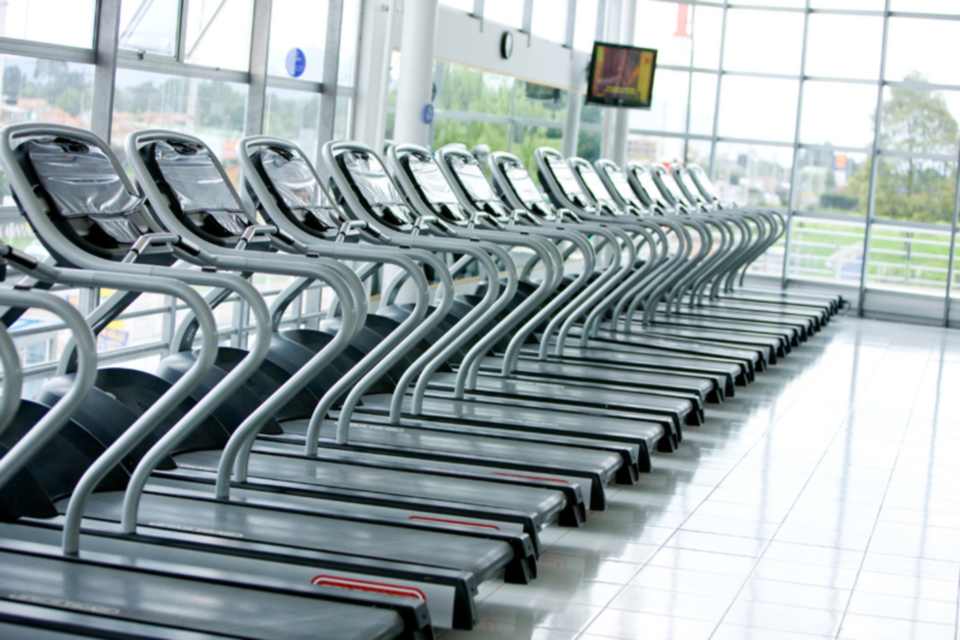
- Fitness: Treadmill frames, weight machine components
Conclusion: Which Tube Bender Is Right for You?
For procurement professionals and engineering managers, understanding the differences between bending technologies is key. Whether your priority is precision, automation, budget, or production volume — choosing the right tube bender can dramatically impact your efficiency and competitiveness in today’s market.
Need expert guidance on choosing a CNC or all-electric tube bender?
Contact SOCO now for tailored advice and solutions